

Pennsylvania Macaroni Co. is a lively Pittsburgh Italian grocery store that has been struggling to diversify its loyal but niche customer base. The primarily aging customer demographic has the business owners concerned that, without also capturing the younger demographic in the area, the business’s profitability will diminish over time.

Leverage the college town environment by introducing a care package service marketed towards students. This strategy utilizes a large portion of Pennsylvania Macaroni’s existing customer base by turning parents into distributors. Parents will buy these care packages for their kids in college and spread the word via word-of-mouth to other parents. This will not only grow Pennsylvania Macaroni’s loyal base but implicitly introduce a younger customer base to Pennsylvania Macaroni.
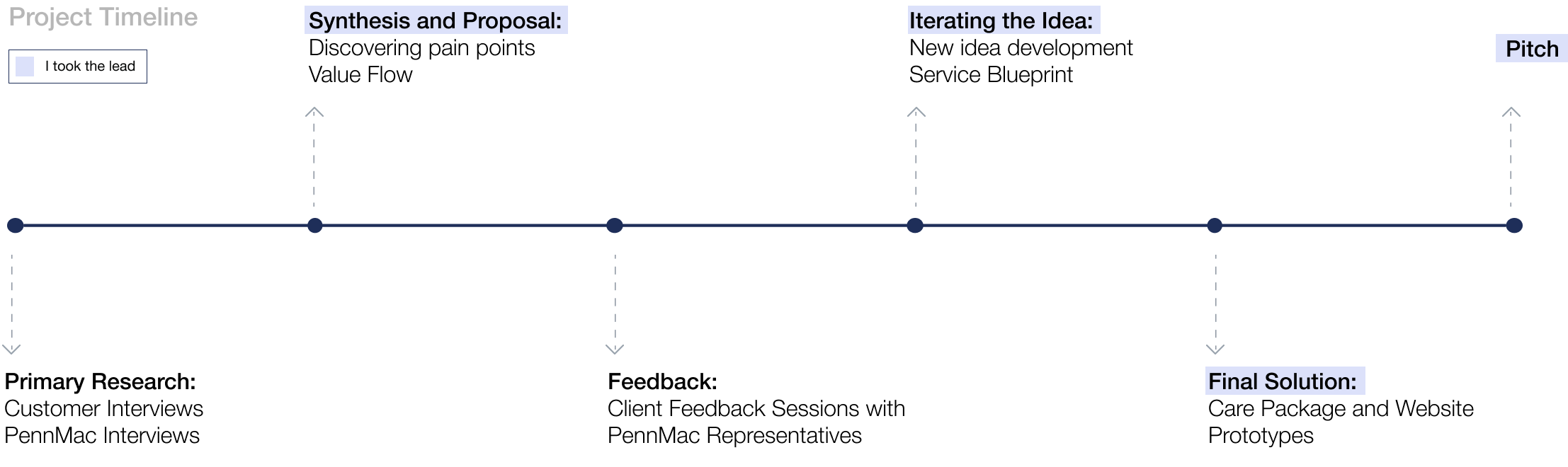
Pennsylvania Macaroni Co. reached out to us looking for insights and potential strategies to diversify its customer base. A large portion of their business has been concentrating on one customer demographic. The business was worried that without new types of customers being introduced to the business long-term growth would suffer.


Our primary research was conducted to answer three main questions: what is the business model of Pennsylvania Macaroni Co.? Who are its customers? What keeps the customers stay loyal to the store? To answer these questions, we conducted semi-structured interviews and contextual inquiries with customers as well as Pennsylvania Macaroni's employees.
Located in the historic Strip District, Pennsylvania Macaroni Co. is a Pittsburgh local Italian grocery store that has been in business for over a 100 years. The store sells authentic Italian products and has maintained an old-school, rustic characteristic since its conception.
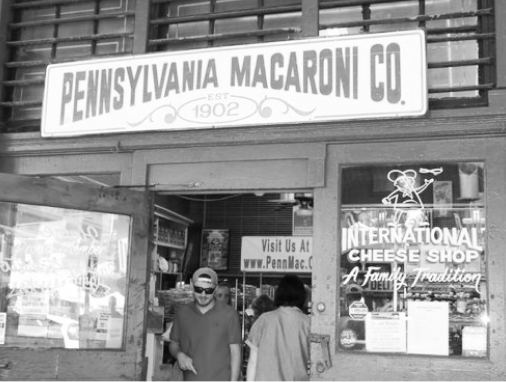
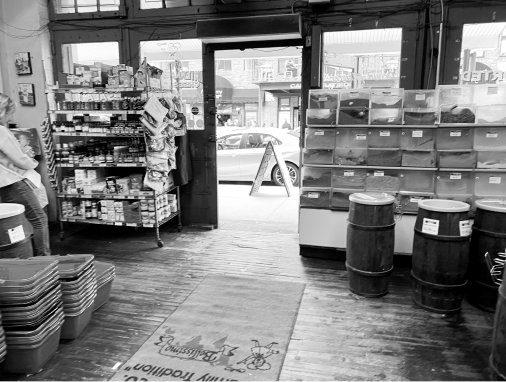
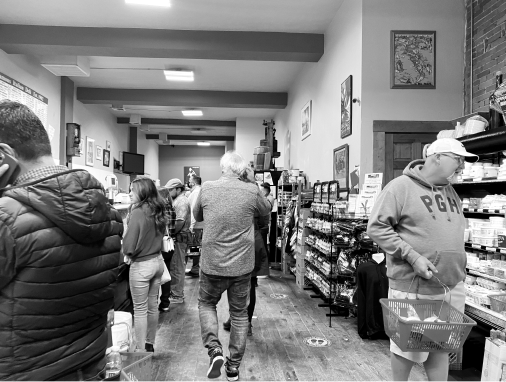
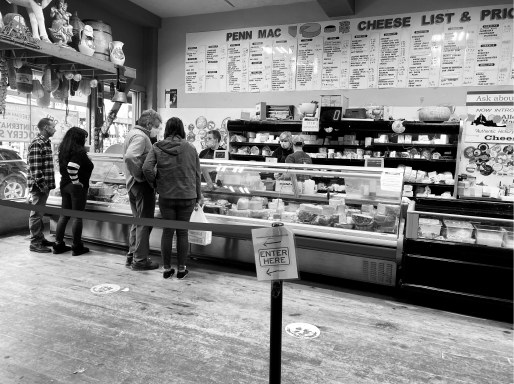
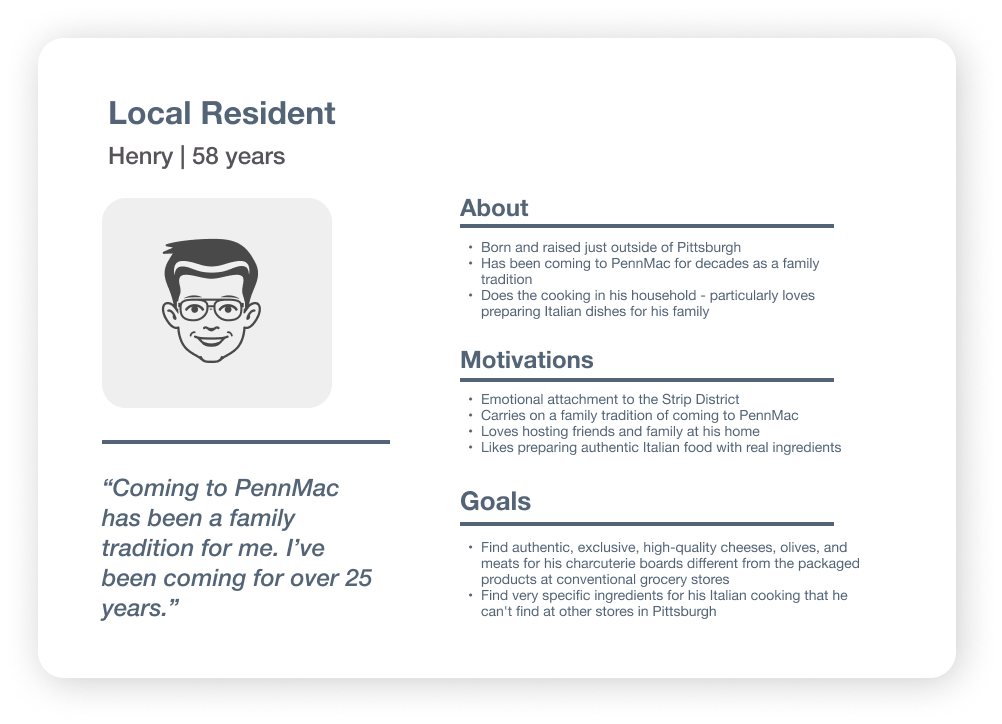
PennMac’s main customer segment is Pittsburgh local residents who fall in the 40 - 70 years old age group. These customers shop at PennMac regularly and value its products, price points, and the environment within the store. For many of them, going to PennMac is a family tradition.
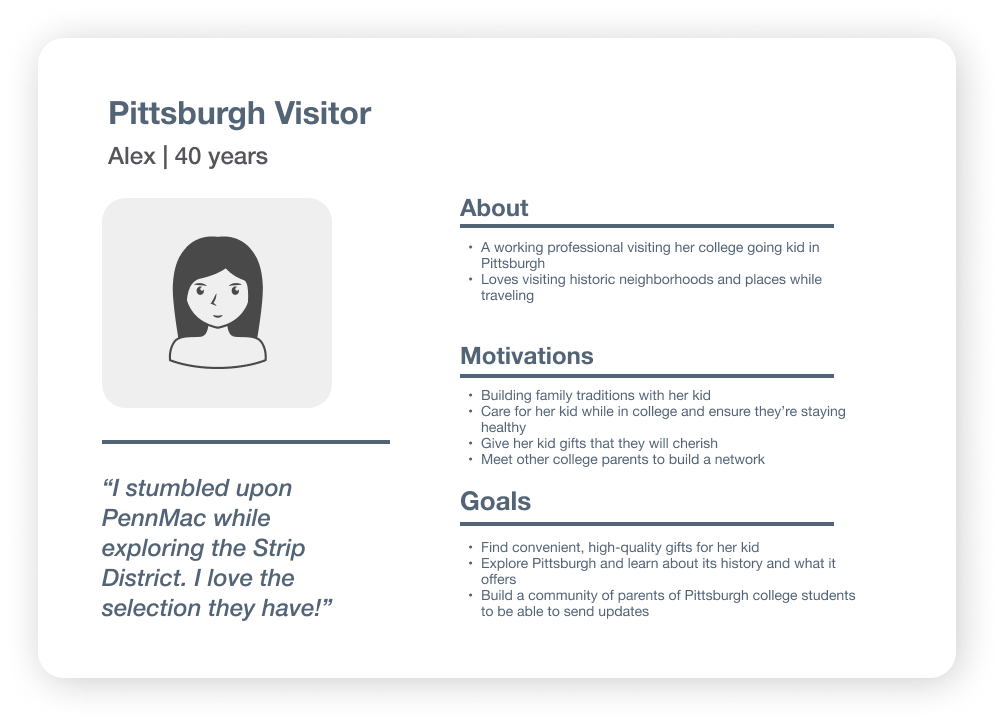
PennMac also attracts tourists and Pittsburgh visitors who go to the Strip District, where PennMac is located, to experience the history of Pittsburgh. They either accidentally discover PennMac or hear about it from family & friends. They think of PennMac as a unique store experience.
PennMac has maintained the same characteristic since its inception, which is cherished by its customers. The products are sold at cheaper prices and they have one of the most extensive Italian product selection in the city.
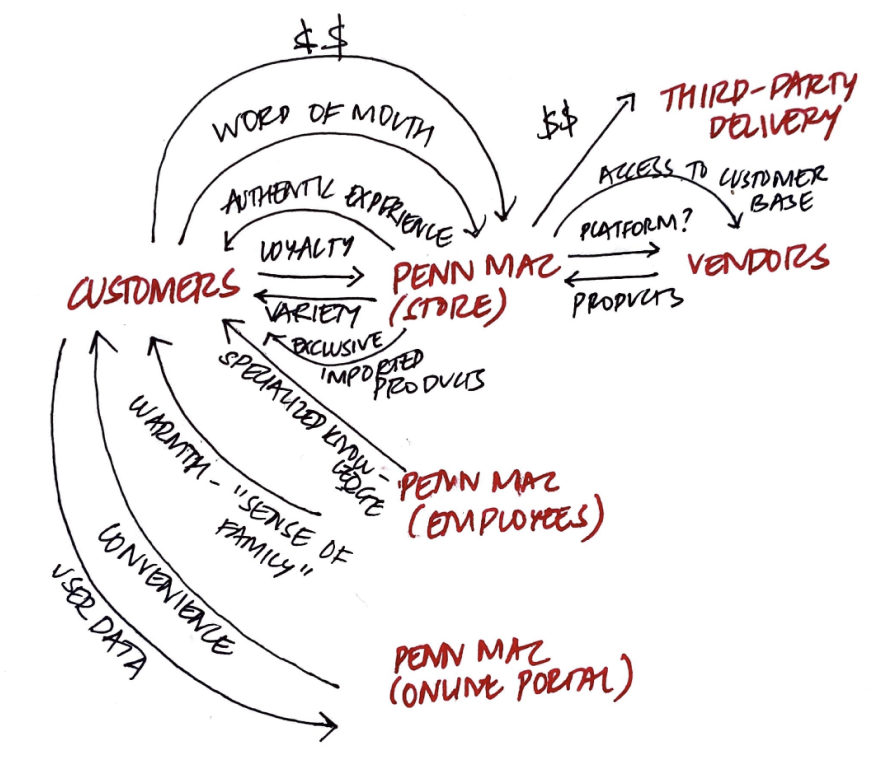
The initial proposal was that PennMac introduces a recipe / meal-kit box service, which would be sold in its store. Once a month, PennMac’s customers can submit recipe ideas and can receive a free 1/2 pound of cheese in return. PennMac can set up a sampling station in its store where the customers can taste and learn more about the recipes and PennMac products. This service idea would result in more co-creation activity and make the value flow multi-directional.
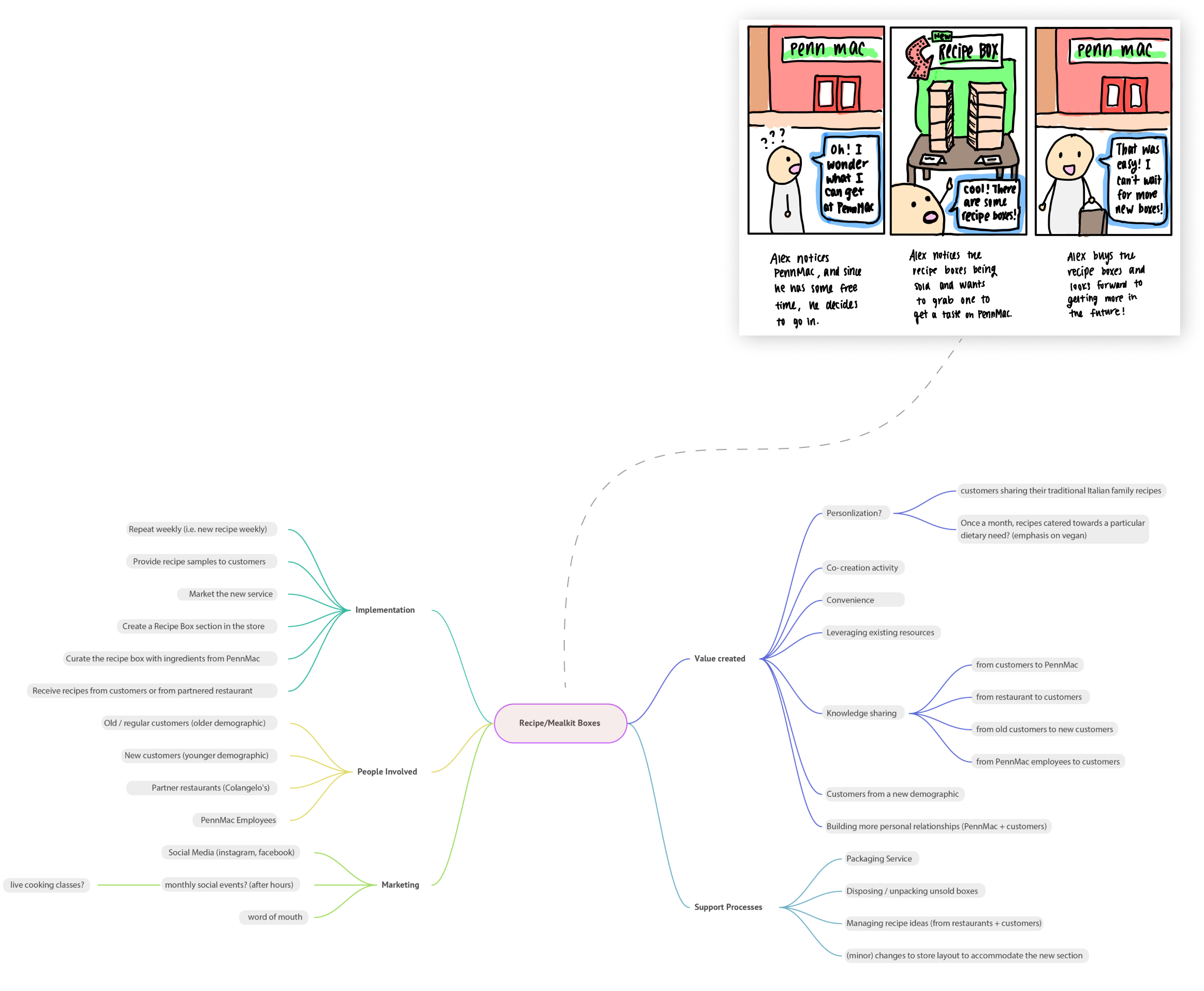
After the first feedback session with PennMac, I realized that our recipe box idea was not as well thought out or very innovative. It almost seemed like the “obvious” idea and I felt like we needed to push further and think about the non-obvious service concepts that generate value to all stakeholders.
Upon reflecting on the feedback, I realized that while the aim of bringing in a new customer segment was the right idea, the service idea did not support that. We went back to the whiteboard to start iterating and thinking more deeply about value flow to all stakeholders.
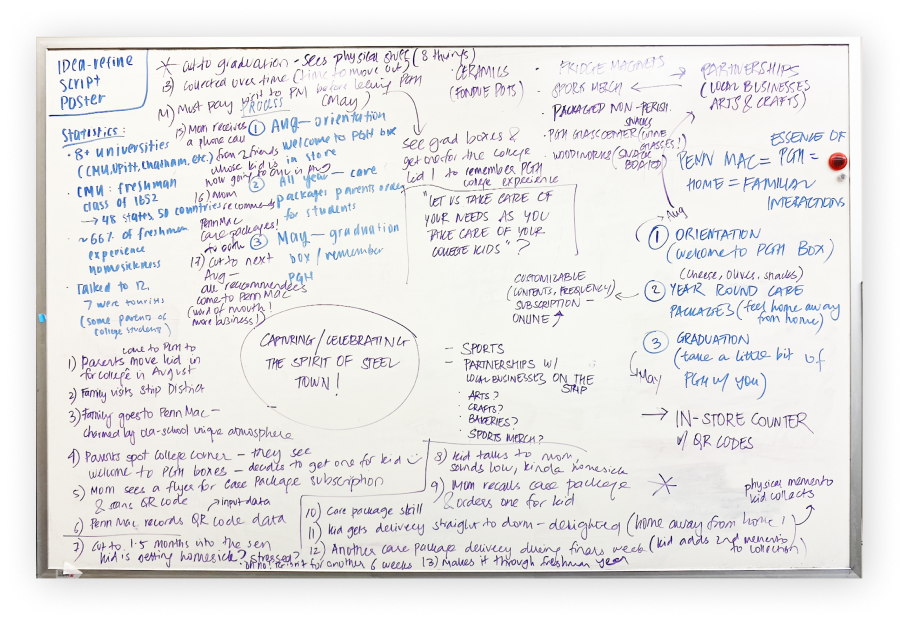
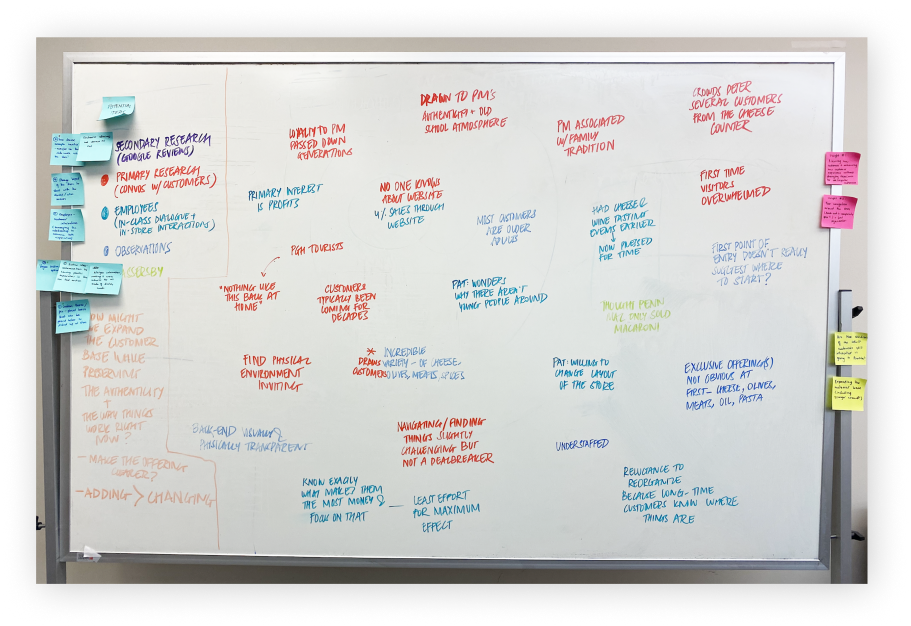
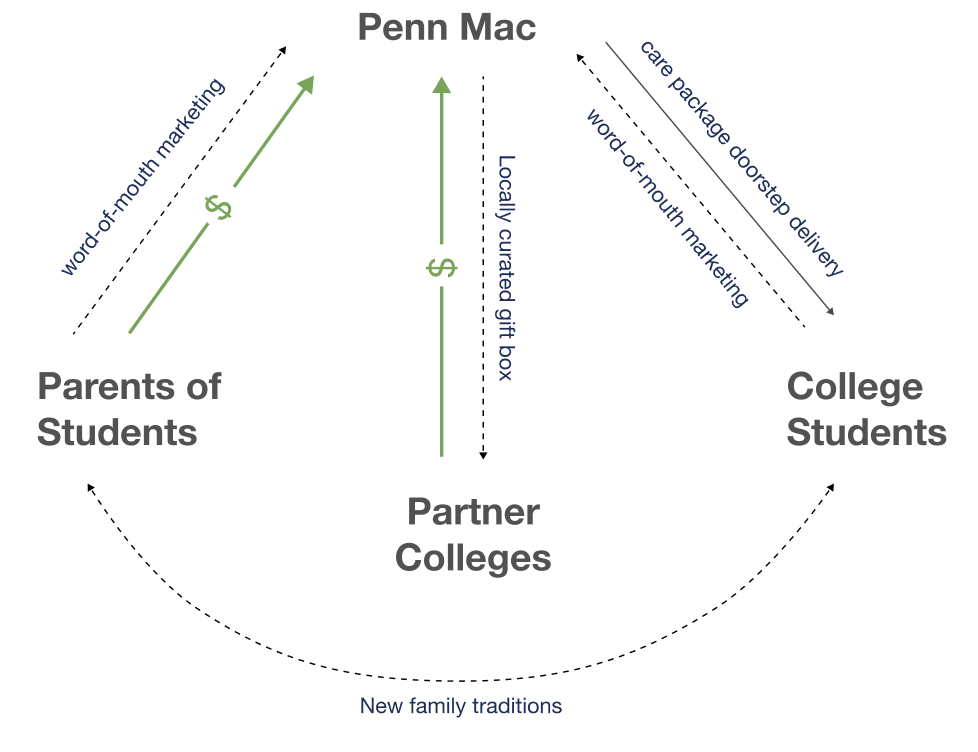
I encouraged my team to go back to the basics and start from scratch and I feel like that really helped us land on our final idea. I pushed for the idea of thinking about “non-obvious” customers i.e. tourists, college student families, and Pittsburghers who moved away from the city. The challenge of dematerializing the PennMac experience while not being in the physical store seemed like an exciting opportunity to me. This led us to the idea of a College Care Package program.
I made a service blueprint to think about the operational planning of the Care Package Service. By specifying the physical evidence, staff actions, and support systems / infrastructure needed to deliver the service, I was able to identify any logistical or resource-specific problems that PennMac could encounter.
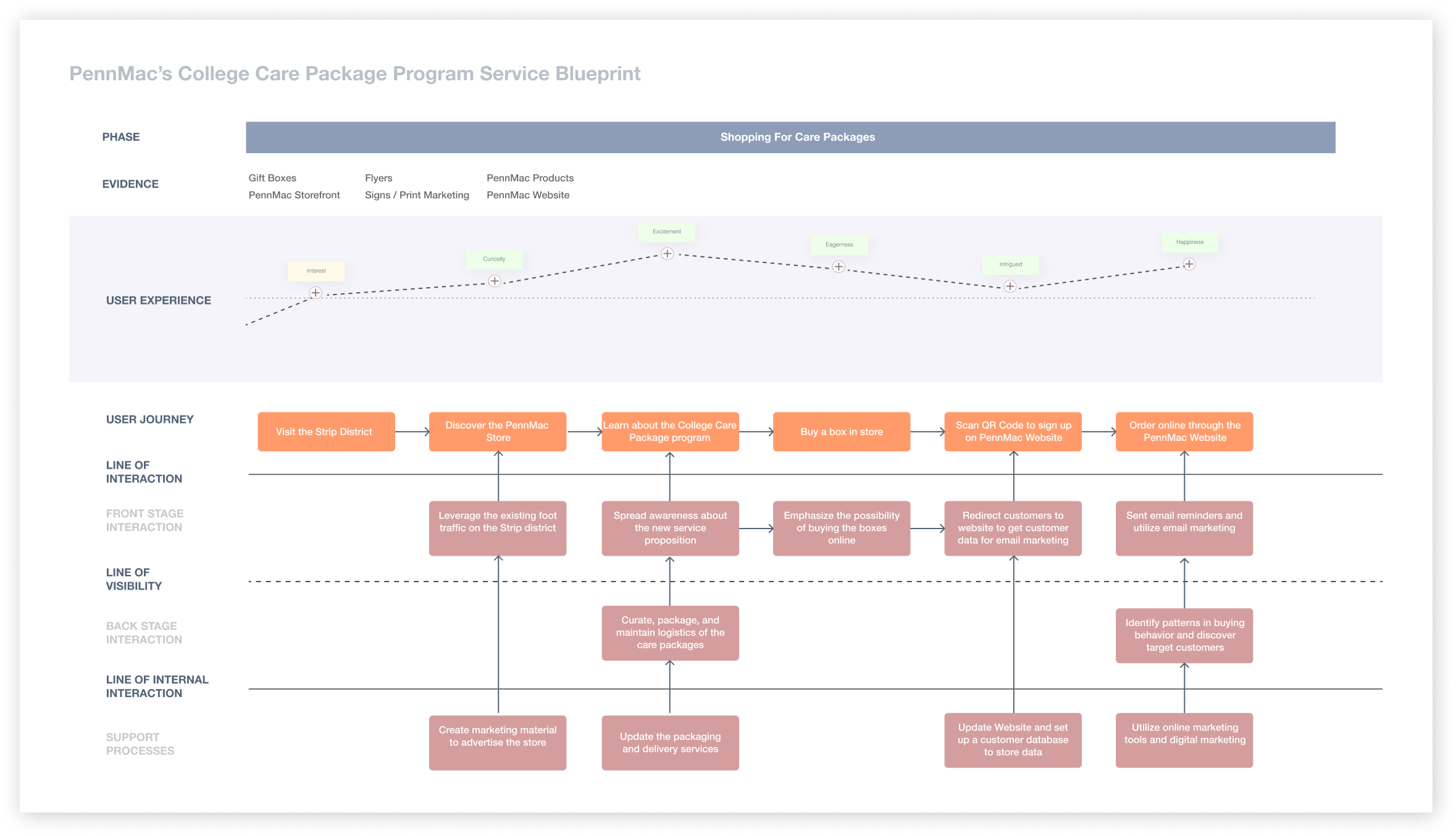
Our final service proposition is a College Care Package Service where the target customers are parents of Pittsburgh college students and the users are the college students. The service is built on PennMac’s existing resources and infrastructure, making it a low-investment opportunity with large gains. By relying on word-of-mouth marketing and the existing footfall on the Strip District, this service idea allows PennMac to reach a far greater customer population.
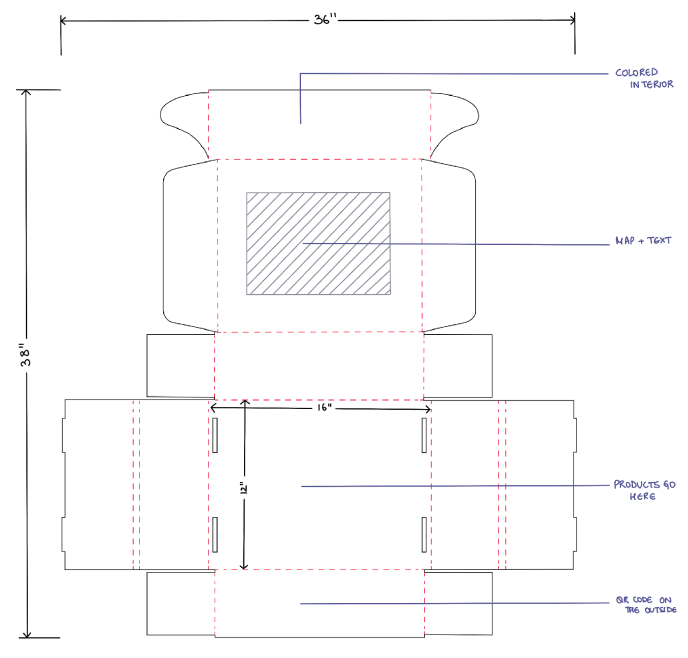
I started diagramming the physical box to get a better understanding of dimensions, size, and branding design of the final product. This exercise was helpful in realizing the quantity as well as packaging constraints.
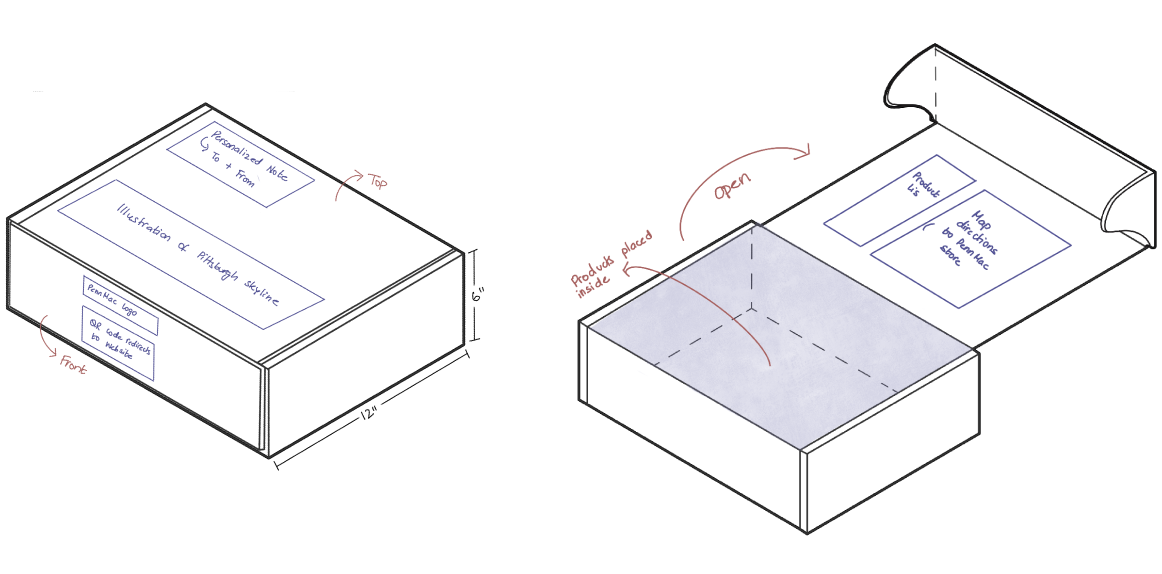
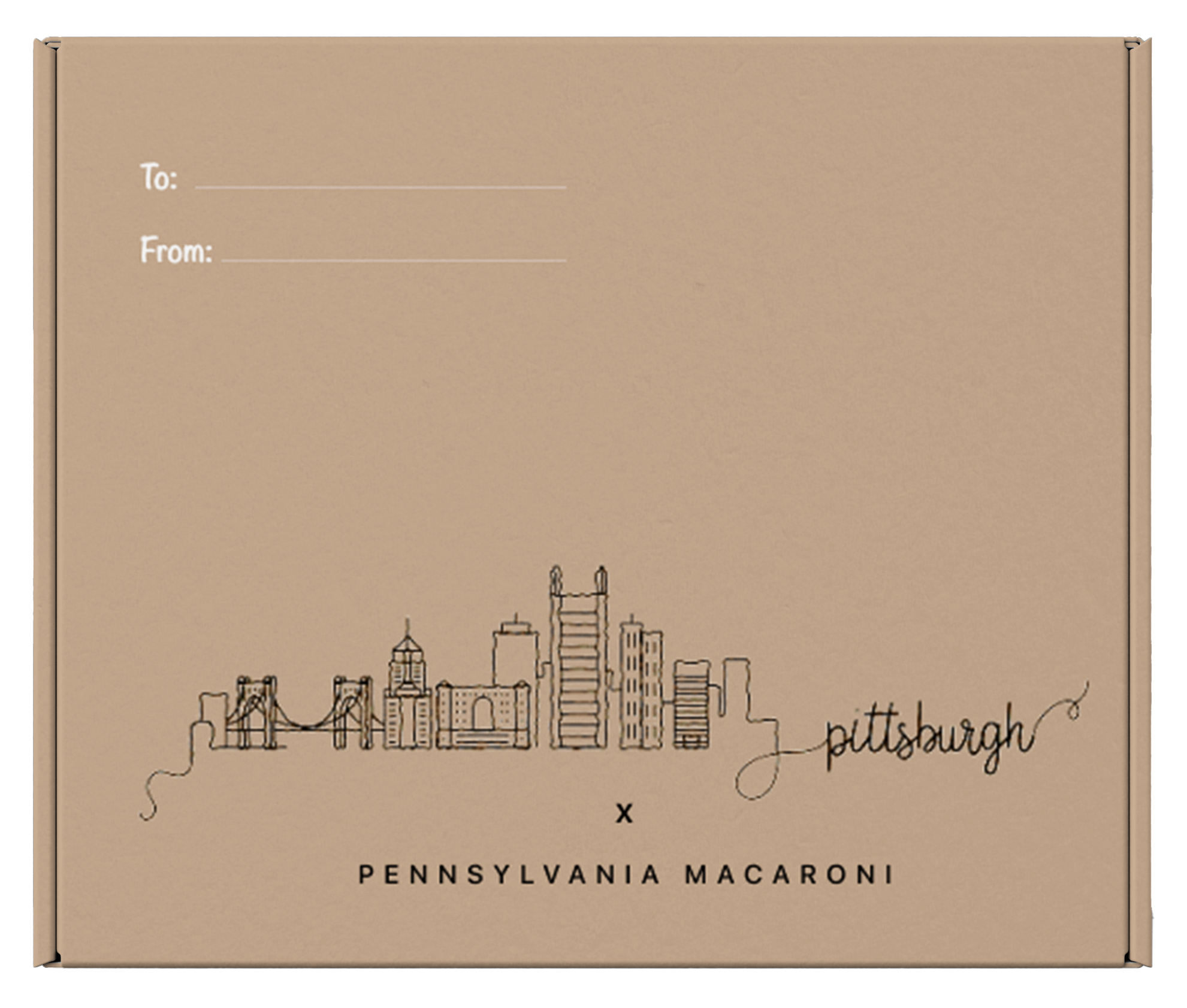
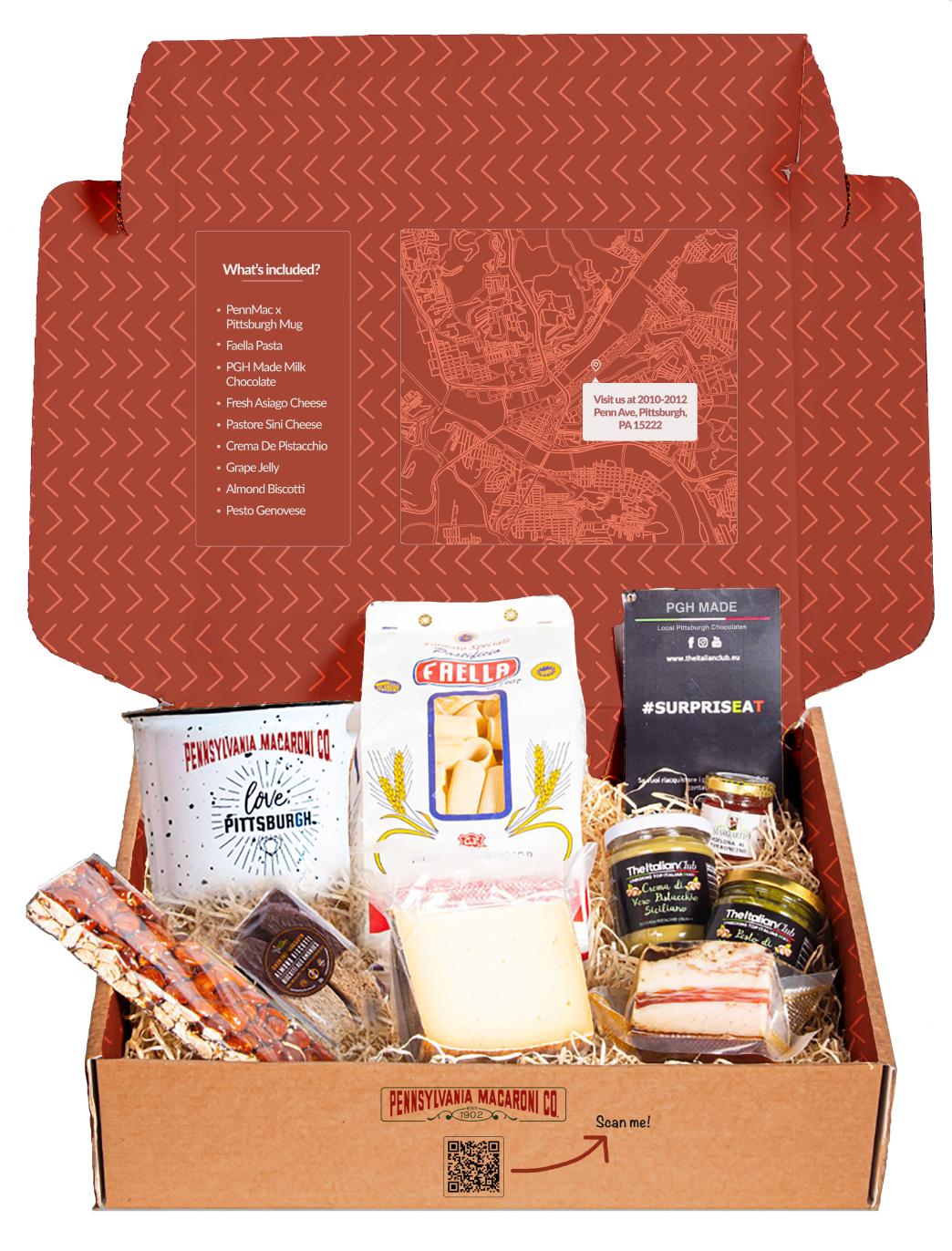
The design and branding of the box was important to carefully think about to allow it to not only be a product used by customers, but also be a marketing tool for PennMac.
To illustrate our idea, we collectively thought of a narrative and starting sketches illustrations. I then consolidated all the sketches into a movie.

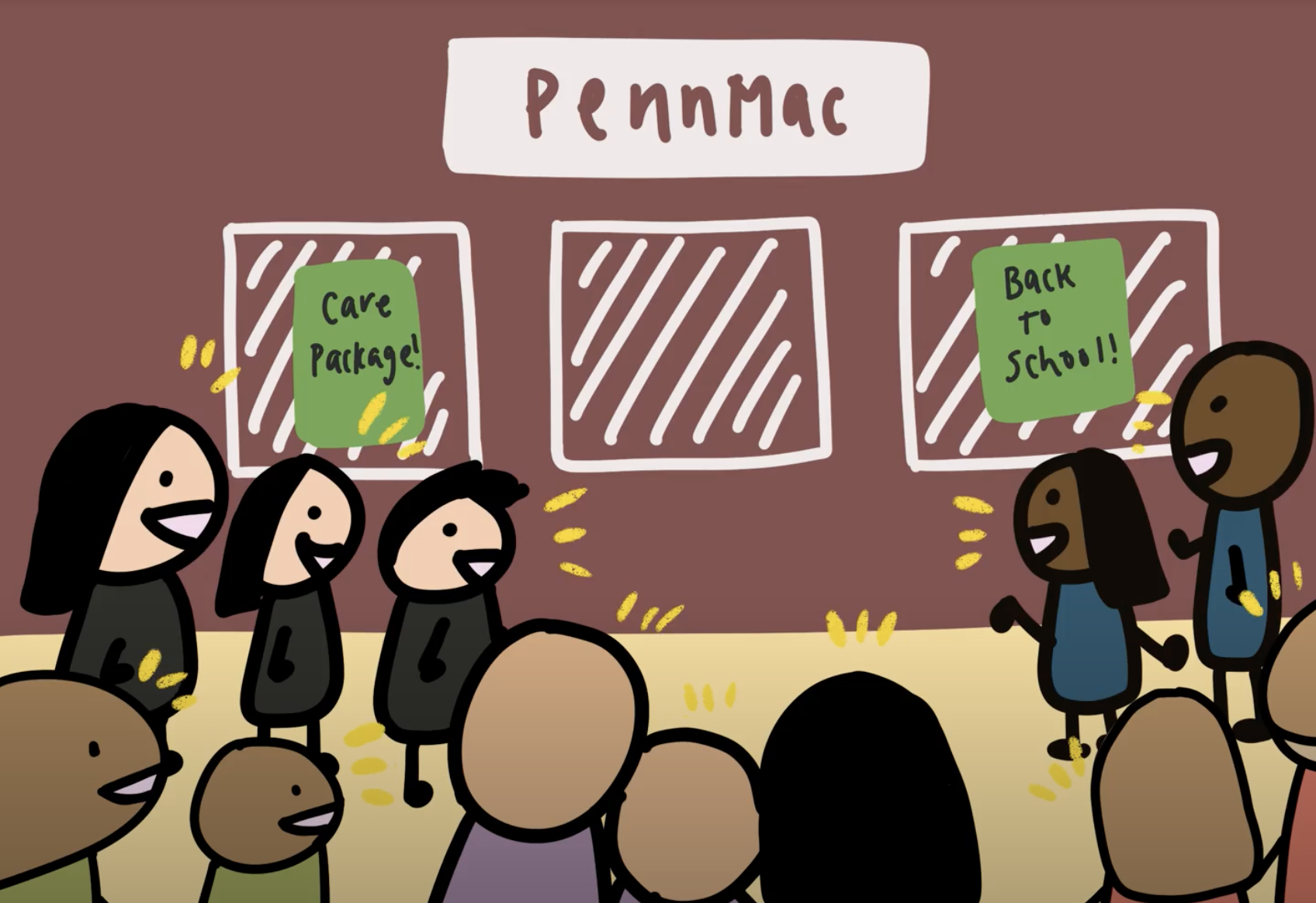
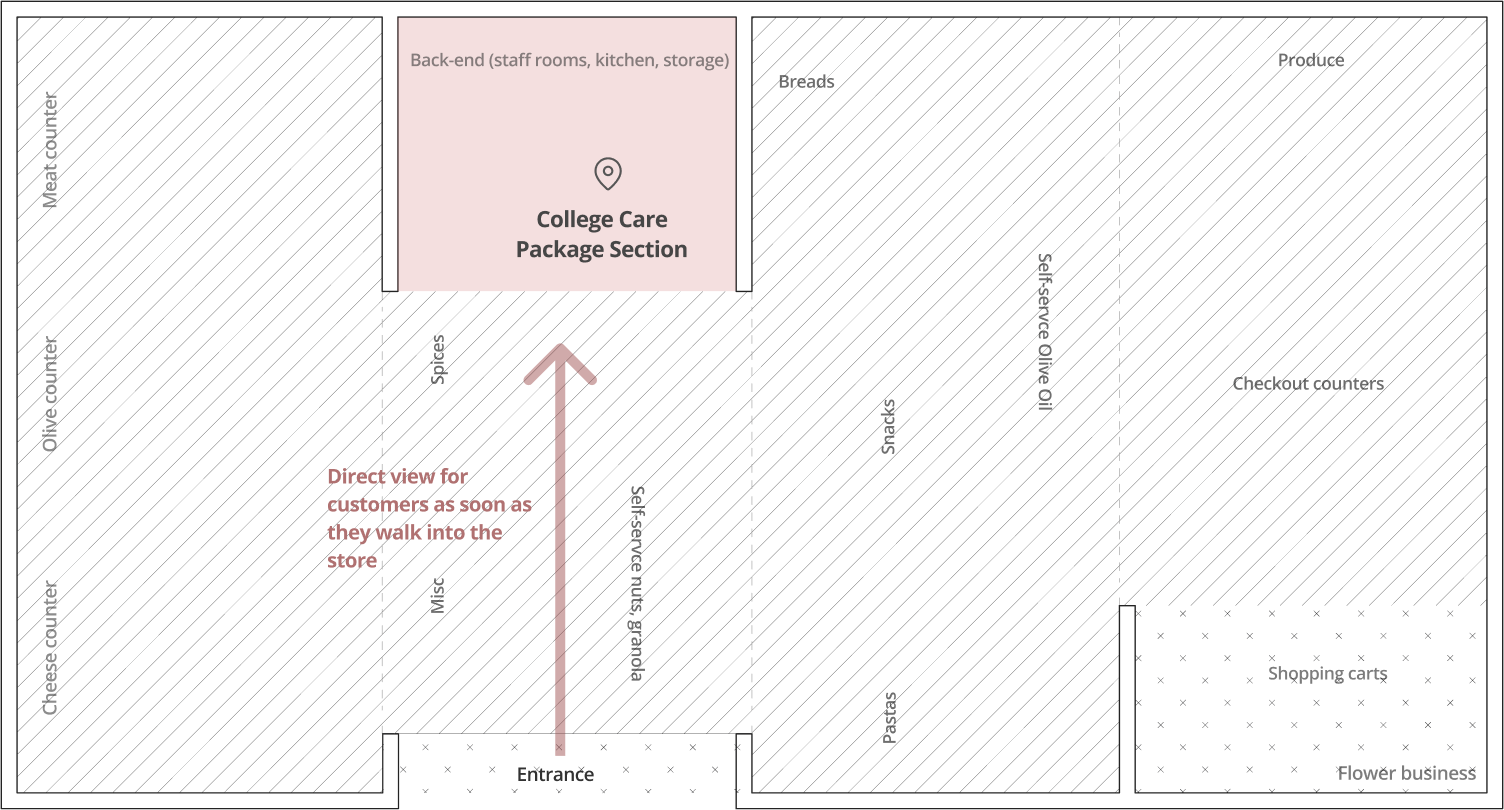
Since PennMac’s physical store is one if its biggest value propositions, the placement of the product in the store was an important consideration. We decided that a location in the direct view for customers as soon as they walk into the store would provide the most visibility to the new product.
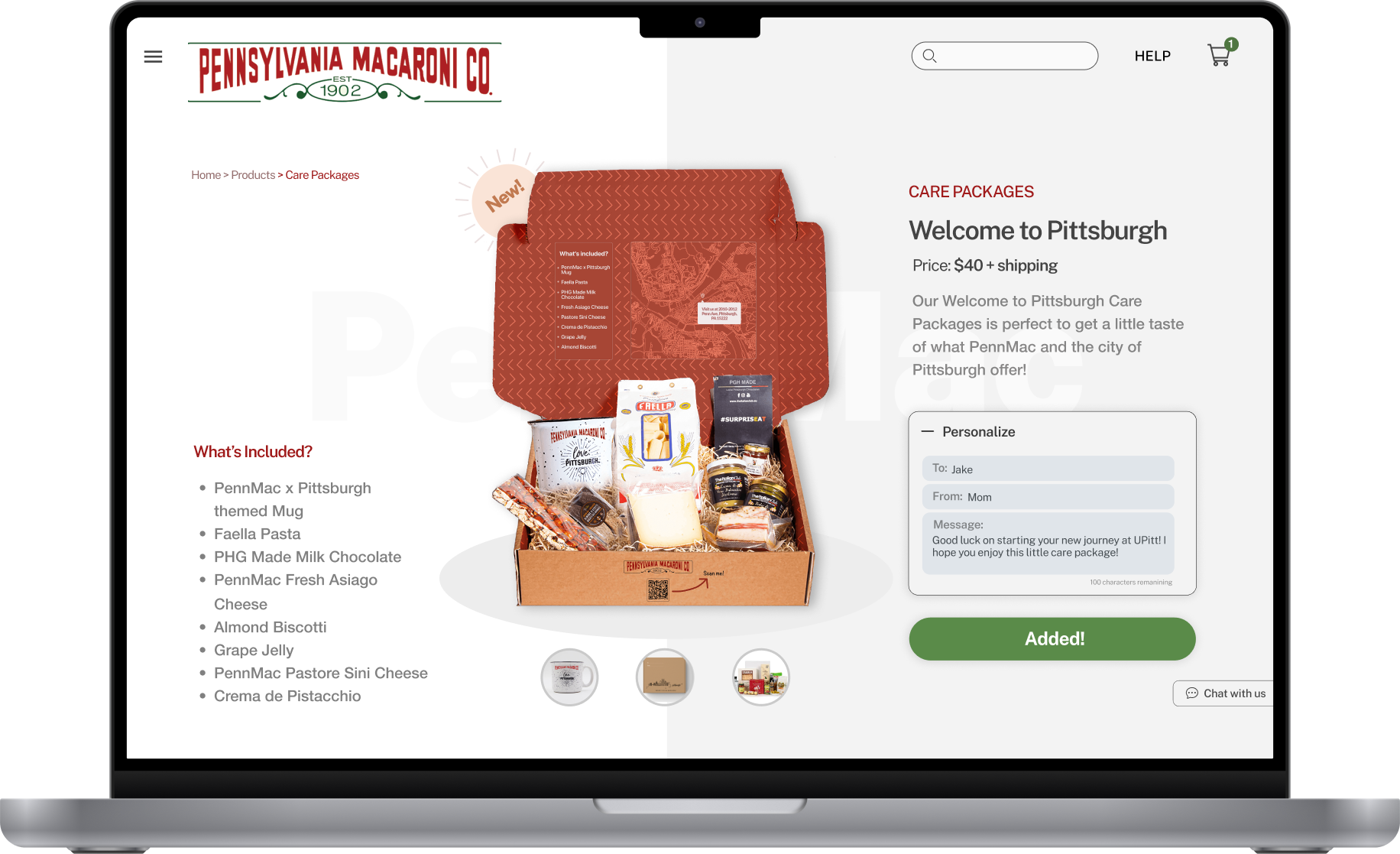
I designed and created the website page mock-up for the new service, which is intended to be a part of PennMac’s existing website. The design emphasizes the friendly and playful nature of PennMac.
I also designed the physical boxes for the Care Package Service while incorporating a new branding style for PennMac.
By conducting customer research, market analysis, creating mockups, and deeply understanding PennMac’s business model, I was able to develop a service proposition that added great value to PennMac as well as their customers.
I learned that clients have a clear process that they follow and their priorities may not align with my priorities as a service designer. The challenge is to use my area of expertise to convince them rather than relying on a great idea that seems self-explanatory.
