Accompanied by a mobile app, BabyBeats is a health-monitoring wearable device that tracks a baby’s vitals and de-risks the parent's journey using anomaly detection. Moreover, the mobile app develops a quick communication channel between a trained physician and the parents.
Data Flow Analysis, Storyboarding, 3D Modeling, Prototyping
Executive Summary
Problem
Before babies are able to develop the ability to speak, parents have to rely on an instinctive understanding of their baby’s cues. These non-verbal cues can be misinterpreted and make it difficult for the parent to determine when the baby might have a health problem and require some sort of medical intervention. This puts many infants’ lives at high risk.
Solution
An IoT device that tracks a baby’s health vitals to help parents make data-informed decisions about their baby’s care and facilitate early medical intervention. With an integrated communication channel within the mobile app, the parents have the ability to quickly share the baby's health data with doctors to receive help.
PROBLEM & BACKGROUND OVERVIEW
There are about 6 infant deaths per 1,000 live births in the US
According to the CDC, a significant number of infant deaths in the US are due to birth defects, injuries such as suffocation, or sudden infant death syndrome. At the core of this is the baby's inability to clearly communicate in words about how they're feeling, while the parent has to make lifesaving decisions based on these esoteric signs.
Parents are afraid of their baby's health
With this background, I started talking to parents to understand their pain points in the parenting journey. After speaking to 5 parents, all parenting a newborn or a baby under 2 years old, I found that these parents are unsure of how to gauge whether their baby is healthy or not which makes them worry unnecessarily. This, in turn, makes them feel like they are being bothersome when they try to schedule an appointment – which, in itself, isn't an easy process – with doctors without a data-backed valid reason.
User Research Insights
Parents fear leaving their babies unattended
"With a newborn, it's always tricky to leave them unmonitored. I'm constantly worrying about her health because I can't always keep checking in on her while I'm working on other things. I mostly get concerned at night when I can't keep an eye on her."
- Father of 1 year old baby, USA
Parents find it difficult to know when to seek medical attention
"I just had a baby and I get worried with every small cough or sneeze. I've definitely called my friend (who's a pediatrician) more times than required and I'm sure I've annoyed her enough by now. Well, I'm still learning what health indicators are normal and which ones are alarming."
- Mother of a 1.5 year old, USA
Current User Flow
PROOF OF CONCEPT
How embedded sensors can modernize healthcare architecture to reduce infant mortality
Embedded sensors provide us the ability to collect analog data from the physical world and translate it into digital data assets to perform further analysis. Applying this concept to my project, this system of sensors could be used to collect a baby's health data and use machine learning to perform analysis. Through this analysis, anomalies in health data can be detected and offer a mechanism for early medical intervention to parents; thereby, potentially preparing them for critical health risks infants may face before it's too late.
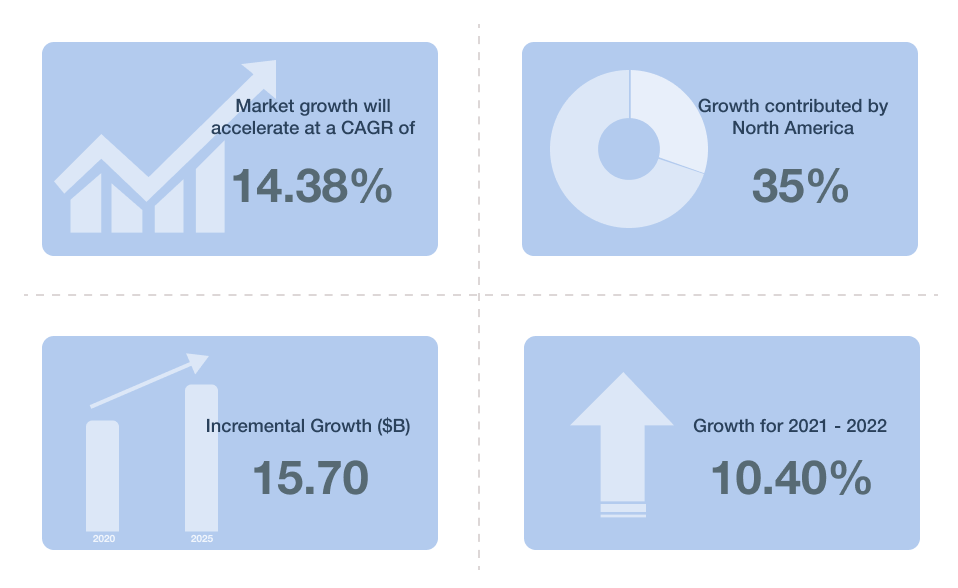
The medical device market presents immense opportunities
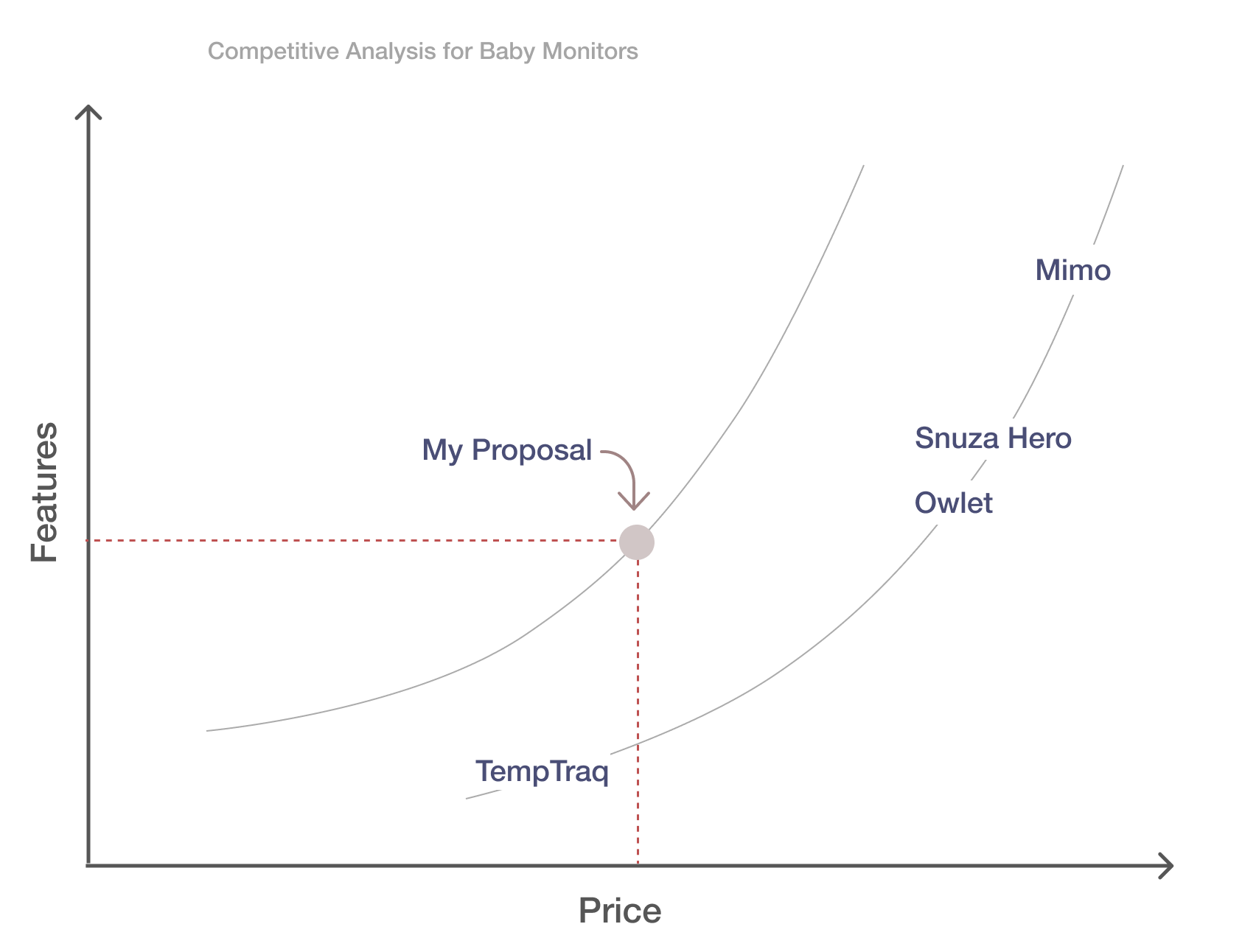
With the onset of IoT, the health-tech wearable market has seen a recent boom. While there are many key players within the wearable market, there are few in the baby health monitoring landscape. By looking into the existing options, I learned that the baby monitoring devices currently on the market have low adoption rates because of bad data integration, high costs, and providing irrelevant data to the baby monitoring purpose. I thus decided to position my proposal at the lower end of the average price by limiting the number of features to the most relevant ones.
North America Wearable Device Market Size
Competitive Analysis for Baby Monitors
Making a cost-effective proof of concept using an arduino and a heart rate sensor
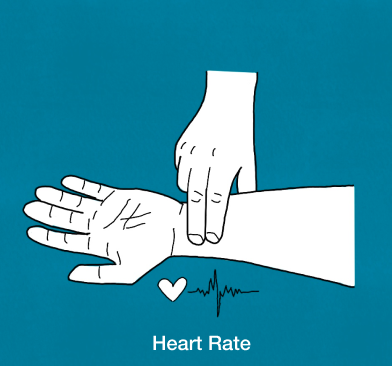
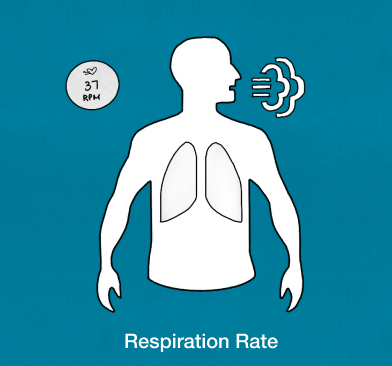
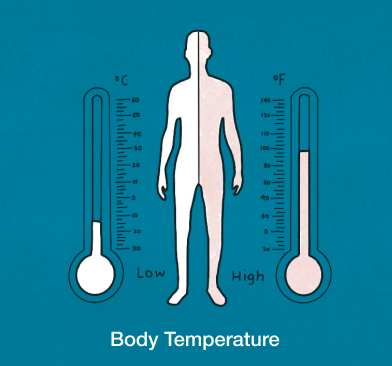
The Nelson Textbook of Pediatrics identified heart rate, respiration rate, oxygen saturation, and body temperature as the most important health vitals to determine a baby's health. From these four, I initially focused on heart rate and decided to create an Arduino MVP that tracks heart rate over time to learn more about the technology behind interactive gadgets and embedded sensors. This served as a proof of concept for me to show how health data can be collected and tracked over time.
The Four Health Vitals
Assumption
Heart rate, body temperature, respiration rate, and oxygen saturation are enough to be a good indicator of a baby's health.
Essential Health Vitals
Heart Rate to learn about heart health
Respiration Rate to quickly notice possible body deterioration
Body Temperature to identify abnornmalities
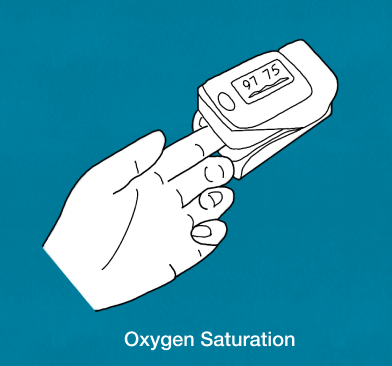
Oxygen Saturation to ensure everything is working correctly
Translating analog data into digital data
Through this prototype, I explored how to track heart rate data over time and visualize it as a time series. This time-series data can be leveraged via data analytics. This proves the potential of creating a low-cost and compelling health monitoring device that provides the parents with data insights.
User Research - Discovering the Need
To learn about the current user pain points, I conducted research with parents from the United States.
Healthcare access here is not easy. I'm constantly worried that my baby might not get the care she needs immediately.
- Mother of 1 year old baby, India
1
I just had a baby and I'm always worried when I'm not watching him. How do I constantly keep track of his health while I also work?
- Father of a newborn, USA
2
I'm going to have a baby soon and I'm really nervous about keeping him / her healthy. I'm a single mother and I need all the help I can get.
- Pregnant Woman, India
3
Discovering a new tool in the parenting toolbox by simplifying healthcare management
PROPOSAL
How embedded sensors can modernize healthcare architecture to reduce infant mortality
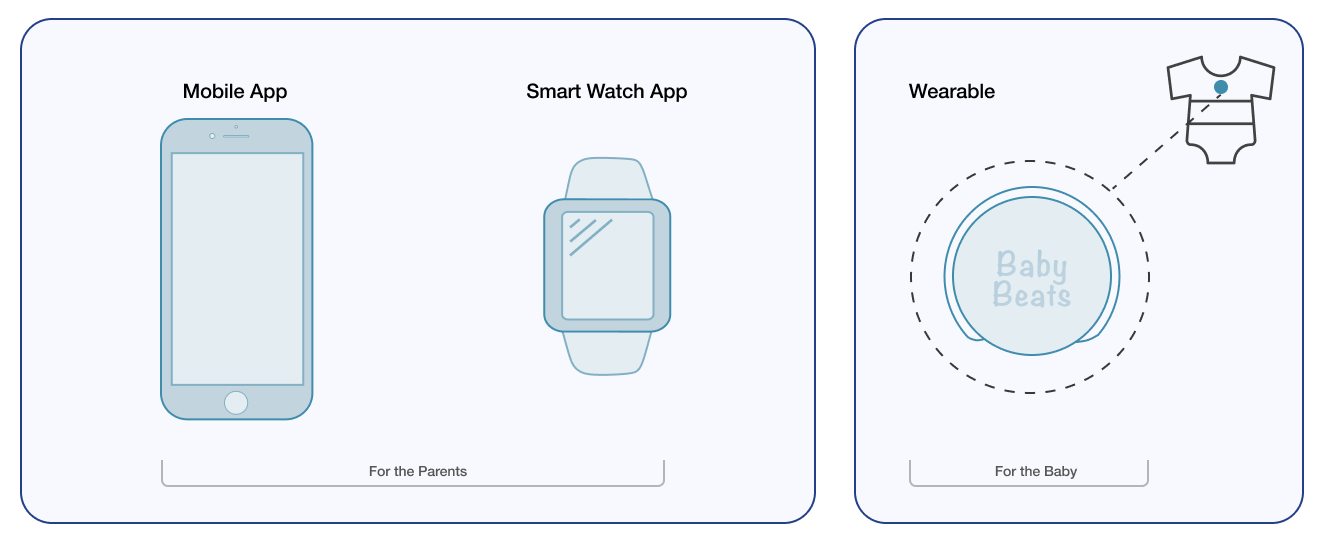
In order to help parents make quicker and better-informed decisions when it comes to their baby's health, I developed an IoT solution. The proposal has two parts: a medical device wearable that attaches to the baby's clothing to capture health data using embedded sensors, and a cloud-based application that processes this data and alerts parents via a mobile application. This proposal allows parents to intervene in any potential health concern earlier than what was previously possible and get help through the integrated communication channel with a doctor.
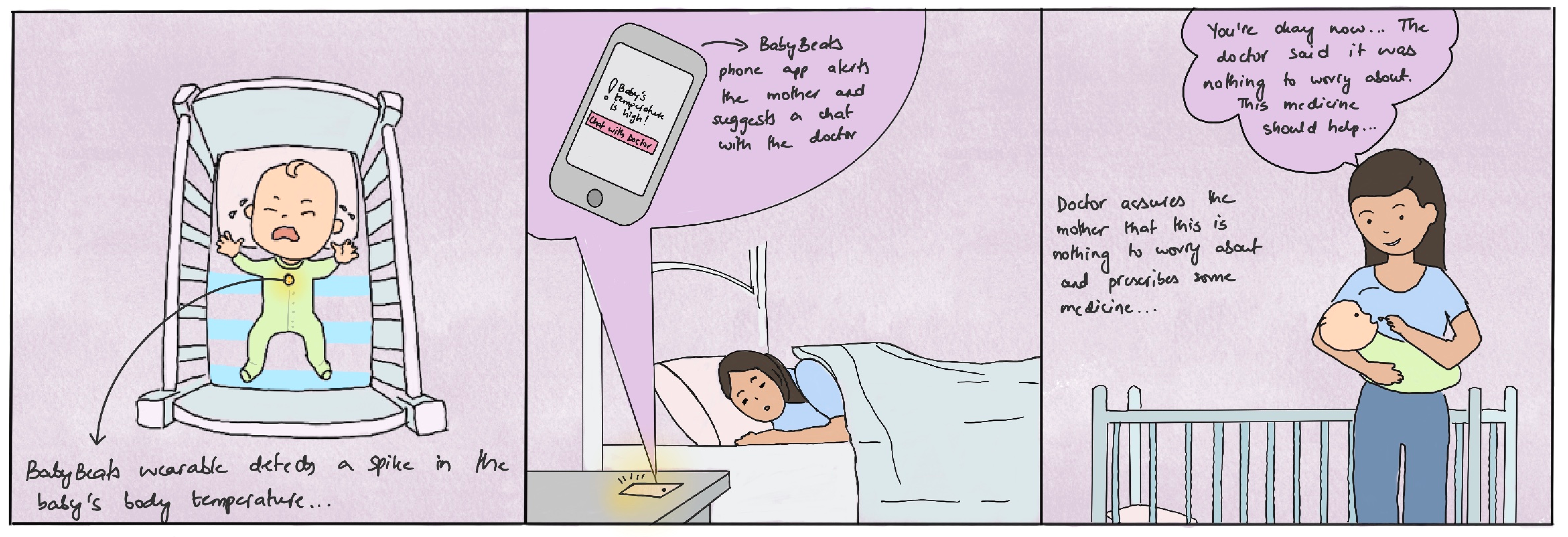
Storyboard - Usage of Product
Data solutions for parenting
01
Anomaly Detection
Supervised machine learning is used to detect anomalies in the health data and alert parents accordingly
02
Communication Channel
A quick and easy communication channel between parent and the doctor is integrated into the app
03
Sensing 4 Essential Vitals
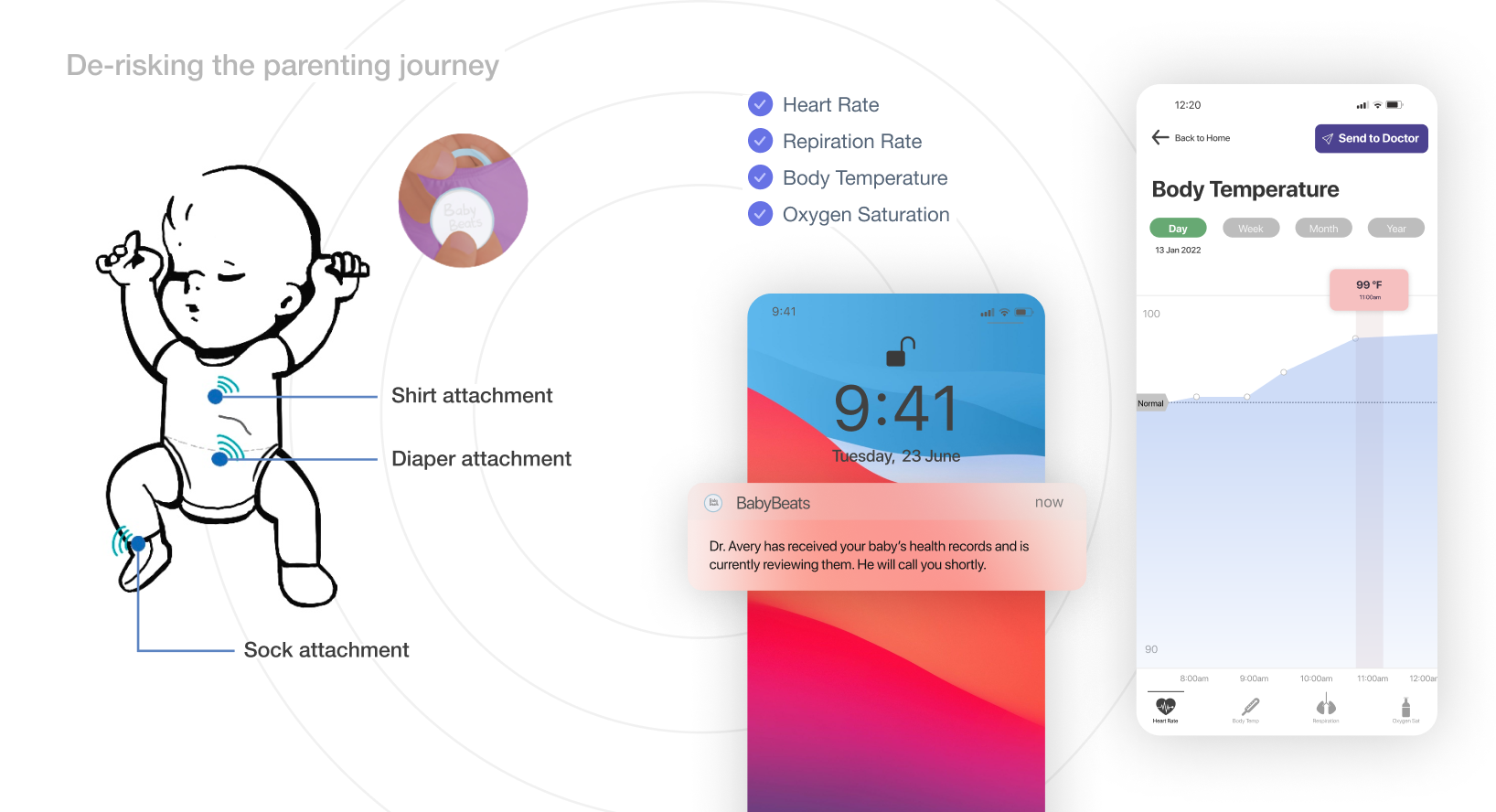
Detailed health metrics about heart rate, respiration rate, oxygen saturation, and body temperature
04
Basic Heath Records
Health record data (blood type, body metrics, appt info etc) are stored in the app to easily send to doctors
Data Flow
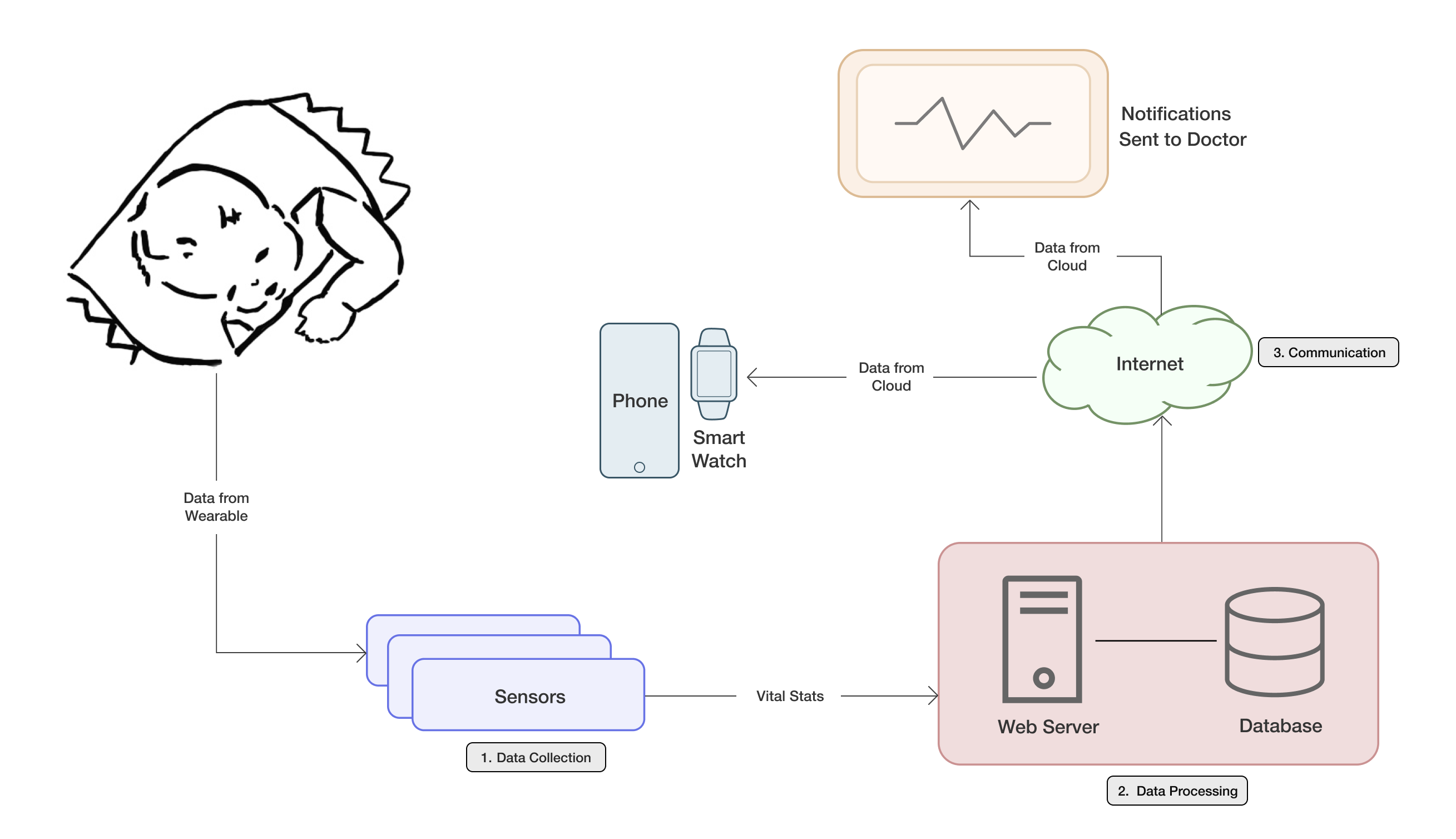
To think about my product proposal, I started diagramming the data flow across the users and devices. This helped me synthesize the user and communication flow. Moreover, I learned more about the underlying information architecture and identified trust, synchronization, and chain of custody as important factors to keep in mind.
ITERATING & TESTING
Looking for the perfect fit
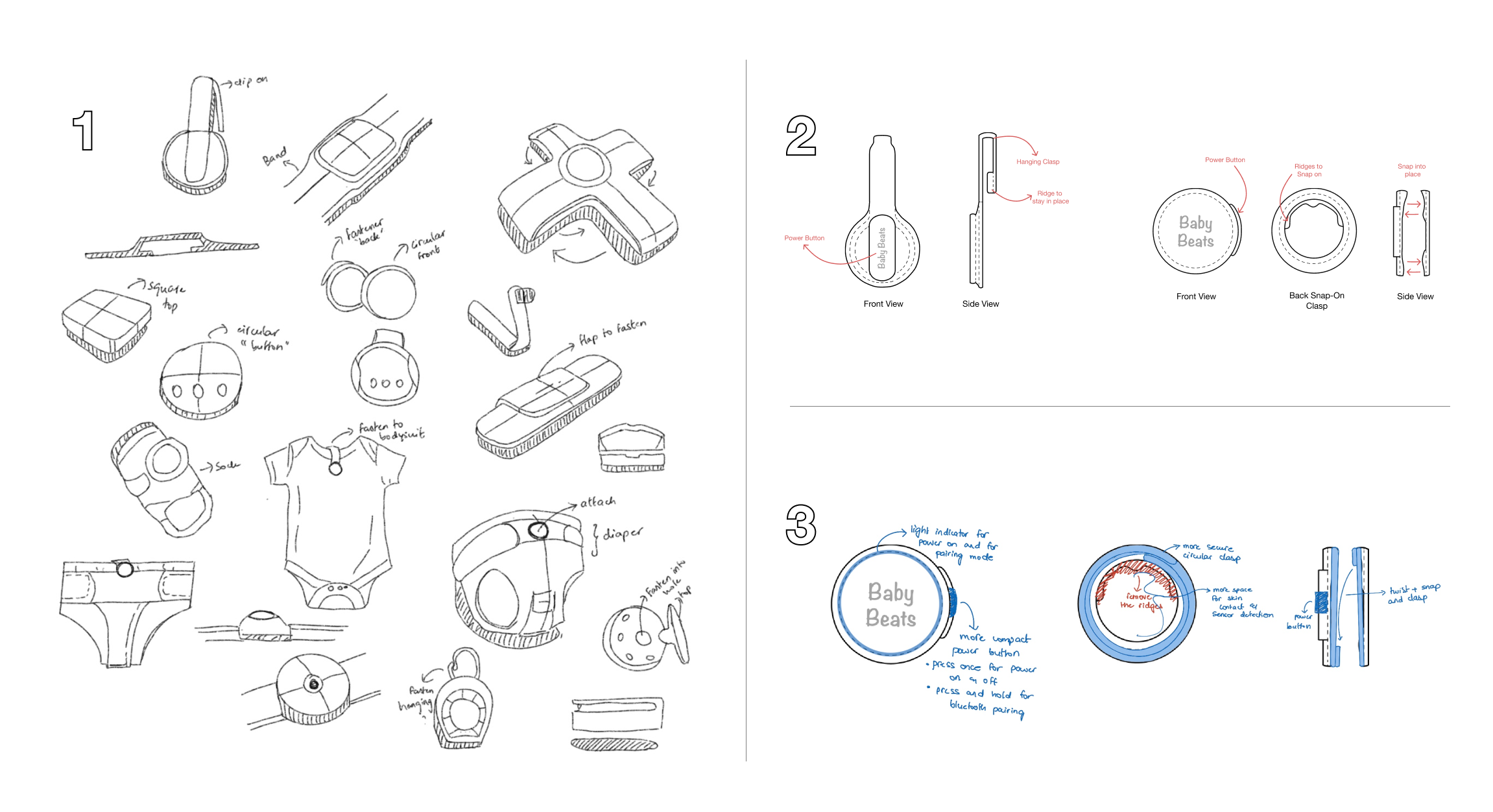
Having an understanding of the hardware that goes into creating a health-sensing device, I began to think about how users would use the entire product ecosystem. This had three parts: a mobile app for the parents to monitor their baby’s health vitals, and a compact IoT device that would clip onto the baby’s clothing to sense the required data. I started creating sketches of the medical device and did a speed dating session with parents to get feedback.
Introducing BabyBeats to the parents
Medical Device Iterations
I tested the above sketches and designs with 6 participants who were parents. They reacted positively to the design of a compact, secure, and easy-to-use clip-on device. This design was inspired by a traditional clip-on clothing button that stays secure. From the testing sessions, I got some useful suggestions such as having a light indicator ring on the front to suggest power & connectivity, a "twist-and-snap" button securing method, and ways on making the main button more intuitive.
Mobile Application
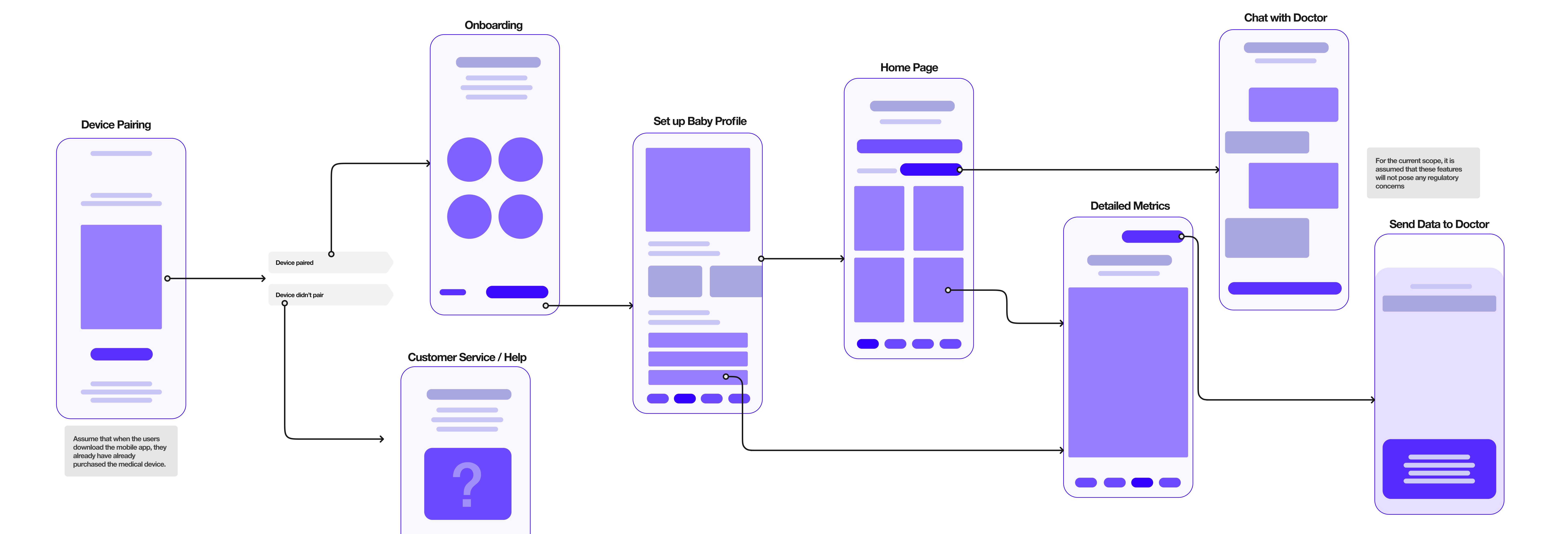
I shifted gears and moved on to thinking about the mobile app user flow that the parents would interact with. To do this, I started by looking at how other data-driven mobile apps such as Apple Health and Oura map out their user flows. I then began to map out the features of the mobile app, specifically focusing on the ones that seemed most relevant to the parents. This was done to establish a clear scope for the project.
User Flow
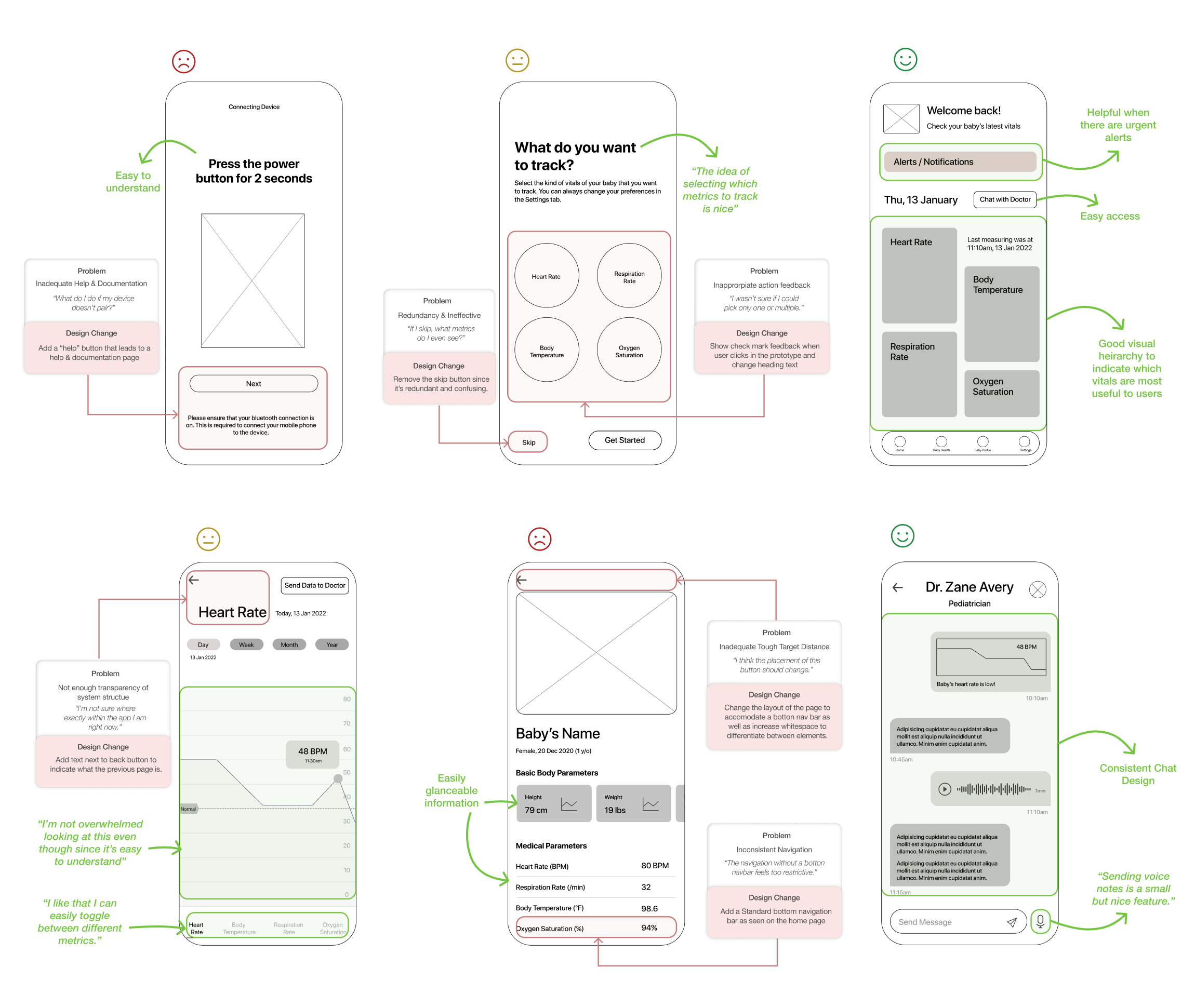
Phone App Screens
After creating low-to-mid fidelity wireframes, I conducted usability testing and heuristic evaluations with participants, particularly those who are parents or are users of health data tracking applications. I found that having a clear call to action and easily glanceable visualizations for health data are vital to usability. These findings informed my design moving forward.
FINAL PRODUCT
De-risking the parenting journey
Phone App
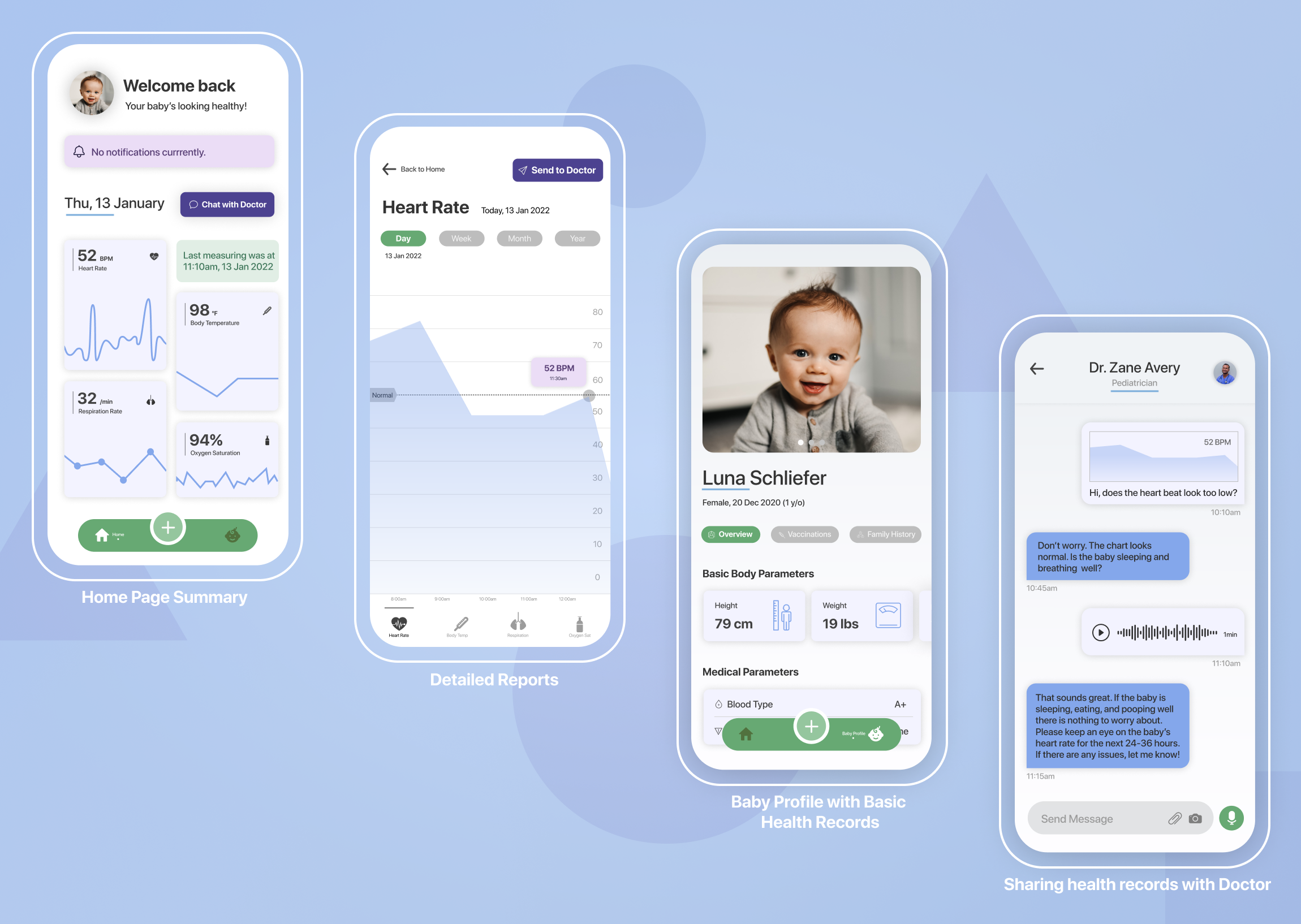
My final screens for the mobile app mainly consist of four different features: the home page dashboard, health data metrics charts, baby profile with basic health records, and a doctor’s chat. While these pages present the scope of the product features, I believe this project could be improved by mapping out the micro-interactions between each screen.
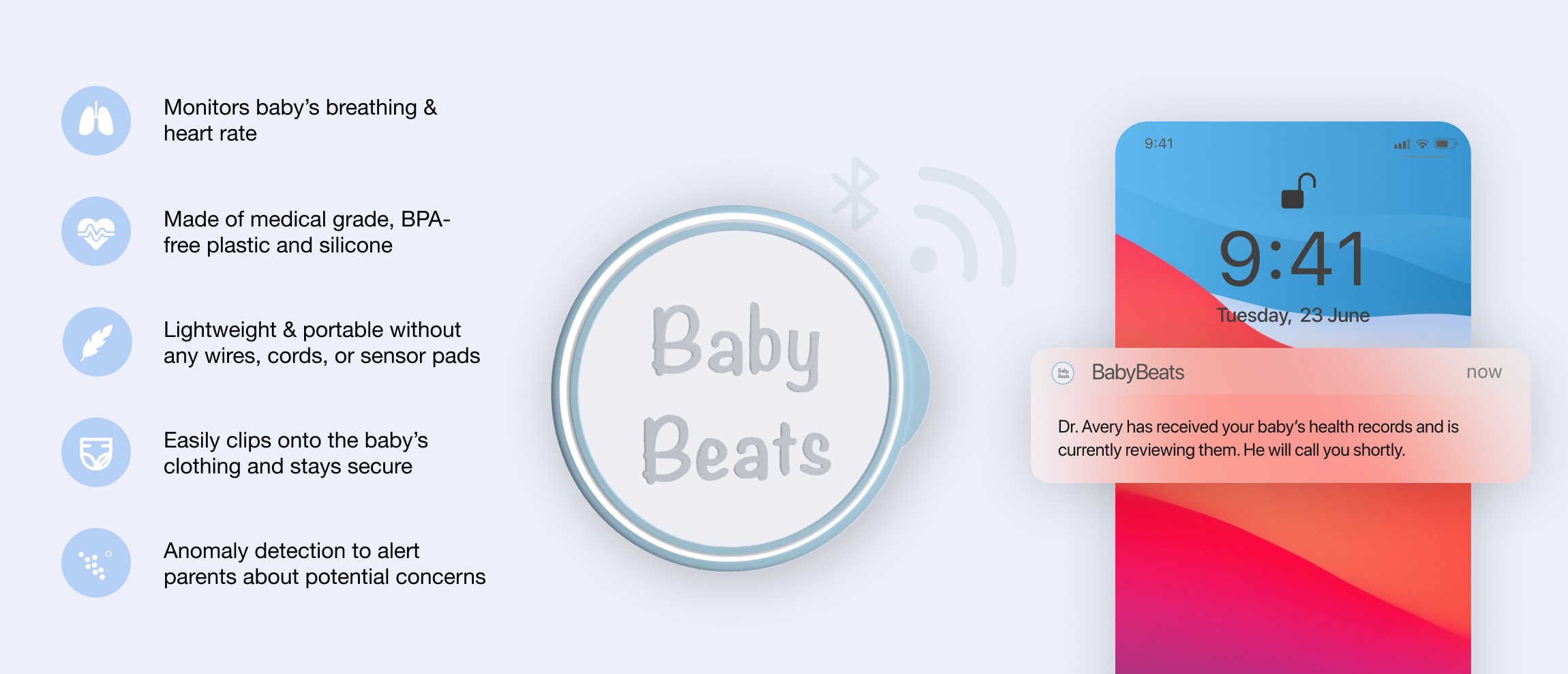
Alerting Parents
BabyBeats checks a baby's current health vitals according to their historical data to determine if the vitals are 'normal' or whether they may present a potential problem. The device then sends an alert to the parent's phone if it detects anomalous health vital readings. With this, the parent is more informed and has increased confidence in making the decision to intervene and get help from a doctor if necessary.
Medical Device Render
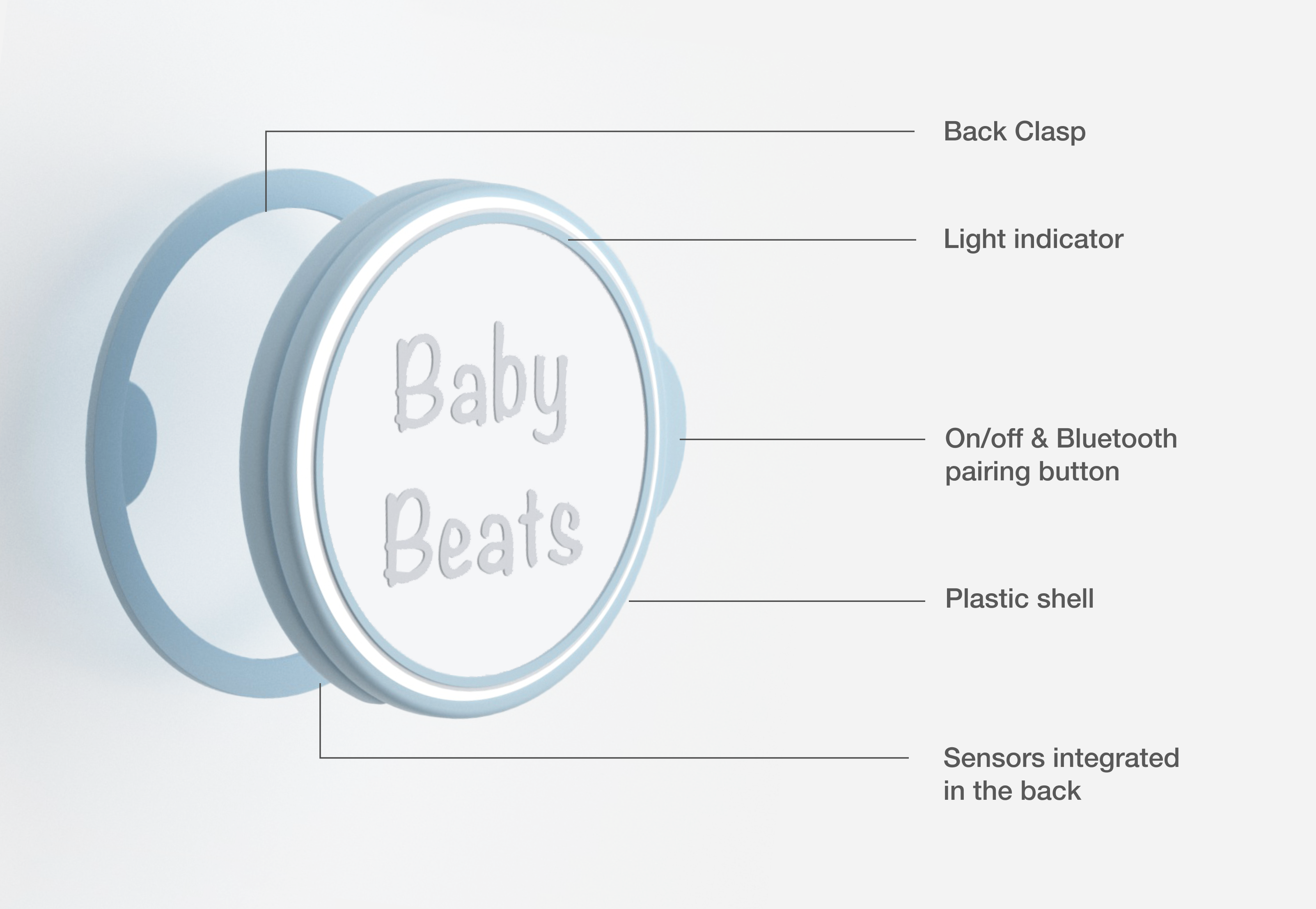
To show a final preview of the medical device attachment, I 3D modeled my design and then rendered it using Blender. The device has a light indicator ring on the top that signals power on/off and Bluetooth pairing, a back clasp that can secure it to any form of clothing, and sensors integrated into the back which allows them to be in contact with the body. The device is intended to be made of BPA-free plastic, thereby making it safe as well as cost-efficient to create.
REFLECTION
Final Thoughts
Things I learned
Through this project, I learned about how hardware, software, and design come together to create a complete product. Considering the tradeoffs between these three domains were highly informative to my career as a product designer.
What Could've Been Improved
Although I tried to incorporate user testing at every stage of the design process, more in-depth feedback from users could have resulted in a more comprehensive design. Moreover, the project had many different elements, and having a clearer focus by limiting the scope could have helped me develop each idea more thoughtfully.
Next Steps
Create physical prototypes of the medical device for testing
Identify challenges in regulation by speaking to medical professionals
Build out the interactions between each screen for the mobile app
Value Created
Challenges
Accessible information about key health vitals
Regulations in health tech could pose potential problems
Ability to remotely & safely monitor baby's health
Adoption of health tech devices can be challenging
Communicate patient's information in a legible format
Data privacy is a key consideration when sensitive data is involved





%201.svg)

%201.svg)
.jpg)


.gif)




.gif)